
Let's think about this. What could I add to this article about affordability in today's market.
I began my real estate career in 1974, in Austin, Texas. Right out of college. In 1976, I decided to go into mortgage banking, which was a relatively new lending industry. Previously, savings and loans made most of the mortgages. I stayed in the mortgage industry from 1976 until 2005, when Cheryl and I decided to jump full time into the real estate business. The best decision we ever made. The point of telling you this? I've been in the business a long time and have seen and experienced pretty much every market you can imagine. And, the one certain thing that I am convinced of? There's no better place to put your money in than a home. Specifically, YOUR HOME. In the long run, you just can't beat it. And, like I tell people. You get to live in it and enjoy it. It's not a piece of paper representing something you have no control over. And, certainly no day to day enjoyment. Home ownership is the ultimate. It's the "American Dream".
Okay. Enough of the rah, rah. This article that you're about to read, will give you some good statistics about affordability. I'll just give you my opinion. Buy what you can afford and are comfortable with. That's probably going to be less than the last few years, when mortgage rates were 2.5% to 3.0%. Unfortunately, those days are probably gone. I think they will come down, but not that far. My hope and gut feel is that sometime in the next few years we will see them come down to the 4's or 5's. And, those are historically great rates. So, purchase what you can at today's rates. Expect your home's value to stay stable at worst and increase at best. If rates don't go down, be darn glad you have what you have. If they go up, be thrilled. If they go down, simply refinance. But, in all cases, be glad you bought a home in 2023, when you had your doubts.
Cheryl and I can help you with that "buying thing". We've been around a long time. We've sold over 350 homes right here in Parker and the surrounding towns. Call us. We would love to visit with you and come up with a good plan to help you find the right home, in the right neighborhood and at the right terms and price. Call me at 720.220.5058 or Cheryl Miller Bustin at 303.981.7339.
The Three Factors Affecting Home Affordability Today Here in Parker, Colorado
There’s been a lot of focus on higher mortgage rates and how they’re creating affordability challenges for today’s homebuyers. It’s true that rates climbed dramatically since the record-low we saw during the pandemic. But home affordability is based on more than just mortgage rates – it’s determined by a combination of mortgage rates, home prices, and wages.
Considering how each one of these factors is changing gives you the full picture of home affordability today. Here’s the latest.
1. Mortgage Rates
While mortgage rates are higher than they were a year ago, they’ve hovered primarily between 6% and 7% for nearly eight months now (see graph below):
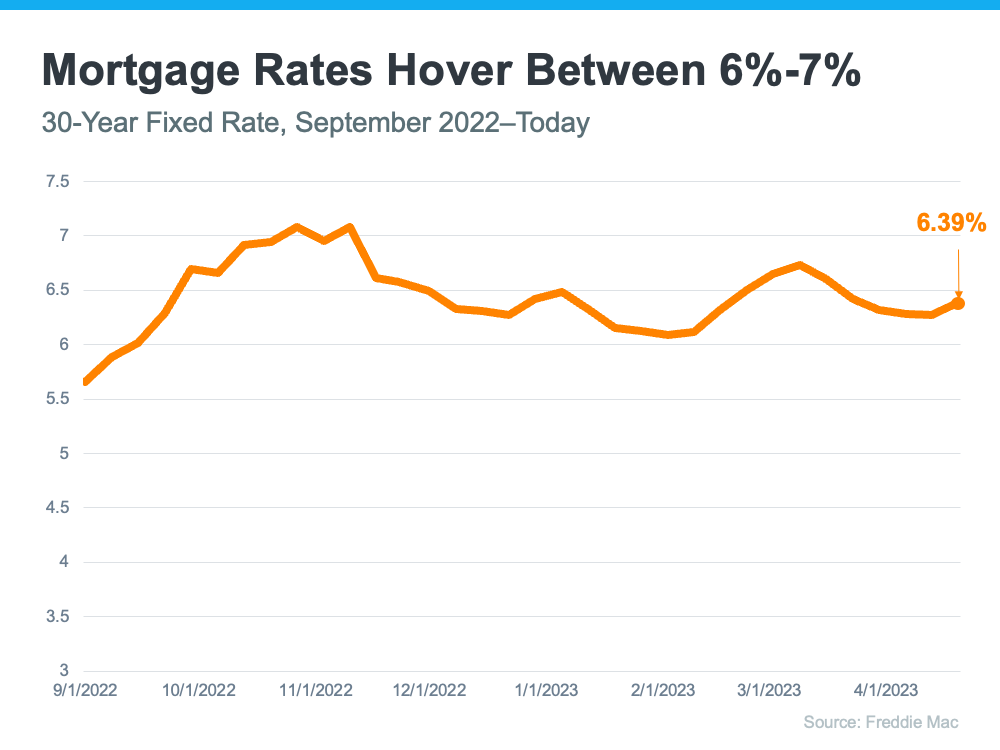
As the graph shows, mortgage rates have experienced some volatility during that time. And even a small change in mortgage rates impacts your purchasing power. That’s why it’s so important to lean on your team of real estate professionals for expert advice to stay up to date on what’s happening in the market. While it’s hard to project where mortgage rates will go from here, many experts agree they’ll likely continue to remain around 6%-7% in the immediate future.
2. Home Prices
Over the past few years, home prices appreciated rapidly as the record-low mortgage rates we saw during the pandemic led to a surge in buyer demand. The heightened buyer demand happened while the supply of homes for sale was at record lows, and that imbalance put upward pressure on home prices. However, today’s higher mortgage rates have slowed down price appreciation.
And, the truth is, home price appreciation varies by market. Some areas are seeing slight declines while others have prices that are climbing. As Selma Hepp, Chief Economist at CoreLogic, explains:
“The divergence in home price changes across the U.S. reflects a tale of two housing markets. Declines in the West are due to the tech industry slowdown and a severe lack of affordability after decades of undersupply. The consistent gains in the Southeast and South reflect strong job markets, in-migration patterns and relative affordability due to new home construction.”
To find out what’s happening with prices in your local market, reach out to a trusted real estate agent.
3. Wages
The most positive factor in affordability right now is rising income. The graph below uses data from the Bureau of Labor Statistics (BLS) to show how wages have grown over time:
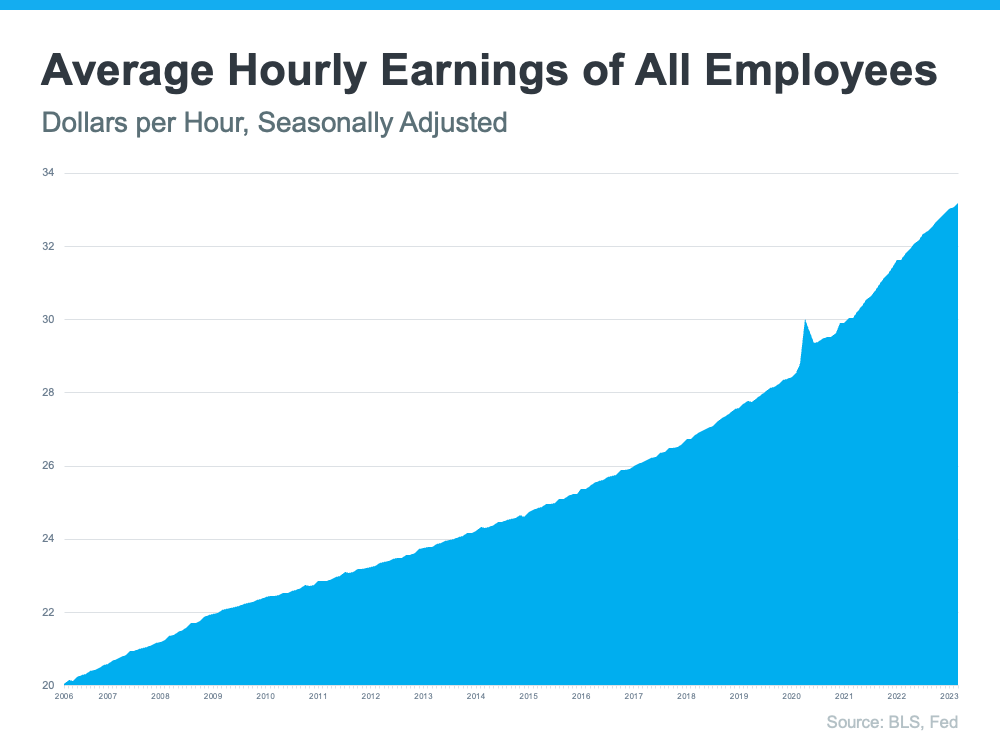
Higher wages improve affordability because they reduce the percentage of your income it takes to pay your mortgage since you don’t have to put as much of your paycheck toward your monthly housing cost.
Home affordability comes down to a combination of rates, prices, and wages. If you have questions or want to learn more, reach out to a real estate professional who can explain what’s happening locally and how these factors work together.
Bottom Line
If you’re planning to buy a home, knowing the key factors that impact affordability is important so you can make an informed decision. To stay up to date on the latest on each, let’s connect today.